
 EN
EN



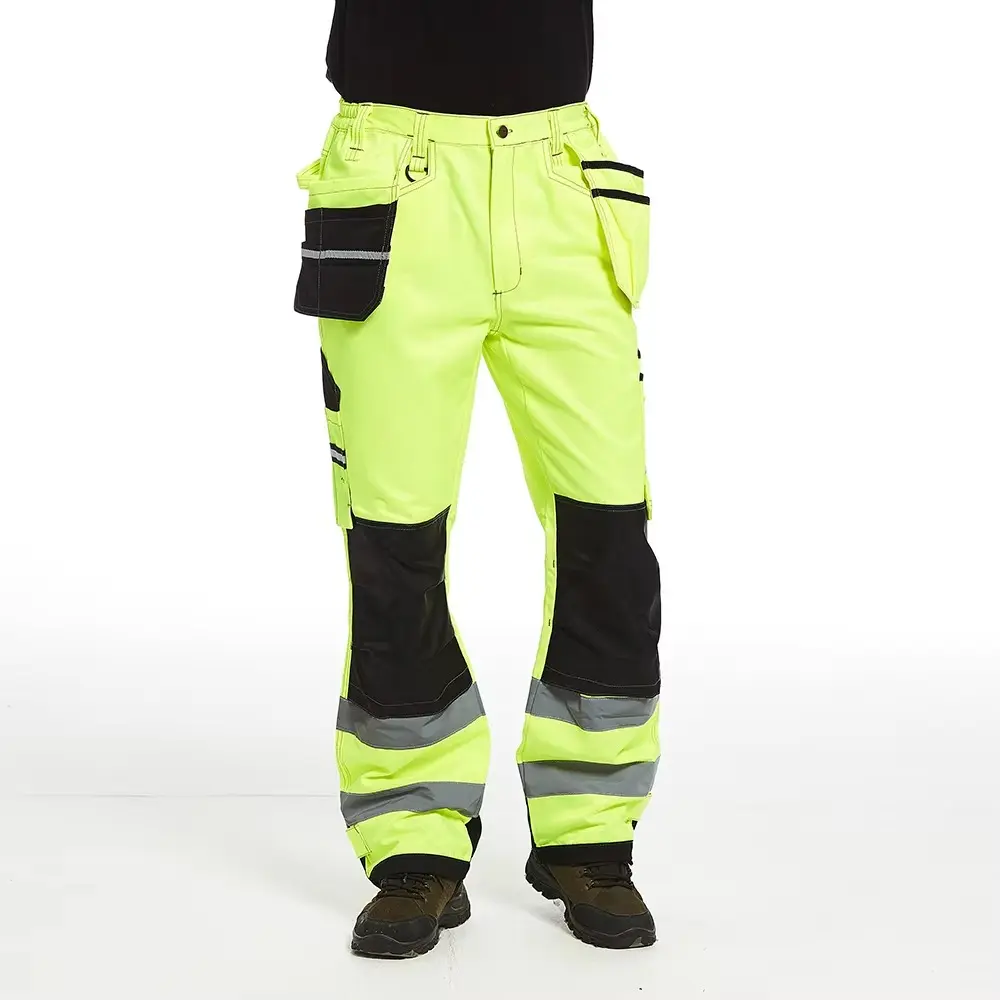
Customizing delivery uniform garments with brand logos is a material-specific process — the method that works for a cotton polo shirt destroys a waterproof jacket. The logo application method must be selected based on fabric type, waterproofing requirements, and expected wash durability.
The Five Methods
Heat transfer printing is the standard for waterproof delivery uniform jackets and soft shell garments. A pre-cut vinyl logo (polyurethane or PVC-based film) is applied using a heat press at 145-155°C for 10-15 seconds under 2-4 bar of pressure. The heat activates the adhesive layer, bonding it to the fabric's outer face without penetrating the fabric structure. For waterproof garments, this is the critical advantage: the heat transfer sits on top of the fabric, leaving the internal waterproof membrane intact — no needle holes, no leakage paths. Heat transfer logos typically withstand 30-50 industrial wash cycles at 40-60°C before edge peeling or color fading. The limitation is breathability — the vinyl film is non-porous. For chest logos of 80-120 cm², the impact is negligible (less than 2% of total surface area); for full-back logos of 500-800 cm², a perforated heat transfer film with 1-2mm ventilation holes should be specified.
Embroidery is the highest-durability method for non-waterproof delivery uniform garments — polo shirts, cotton-blend shirts, non-waterproof vests, and baseball caps. Polyester or rayon thread stitched at 300-1,200 stitches per minute produces a premium three-dimensional texture. The thread is colorfast through 50+ industrial washes, and embroidered logos typically outlast the garment itself. For water-resistant garments where some protection is desired, embroidery can be used with a waterproof backing tape heat-sealed over the stitch holes, restoring approximately 80-90% of original water resistance at the logo location.
Screen printing applies ink through a fine mesh screen using a squeegee. The ink bonds to fabric fibers and cures at 150-160°C. Screen printing produces bright, opaque colors at the lowest per-unit cost — typically $0.40-1.00 per logo for bulk orders — but shows visible cracking and fading after 20-30 industrial wash cycles on polyester. Screen printing is appropriate for promotional delivery uniform items with a one-season service life.
PVC and silicone patches provide three-dimensional, high-relief branding visible from greater distances than flat-printed logos — an advantage for the back of a delivery uniform jacket in traffic. The 3D relief creates shadows that improve visibility in variable lighting, and the material is inherently waterproof and UV-resistant. Silicone patches can be heat-sealed without stitching, making them compatible with waterproof garments.
Woven labels — fine polyester threads woven into detailed labels approximately 40-80mm × 20-30mm — provide subtle, professional branding sewn into a seam or onto a chest pocket. They withstand 50+ industrial washes without fading and can reproduce fine detail including small text and gradients.
Logo Placement
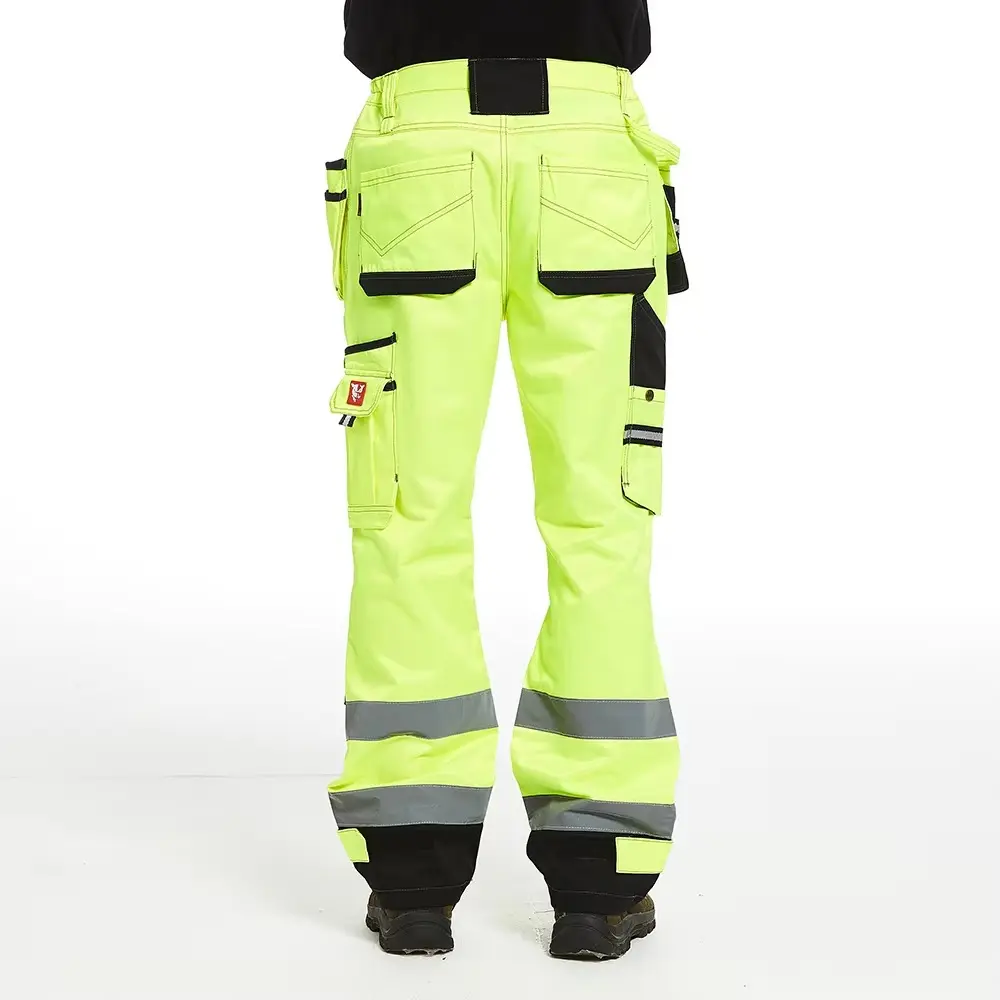
The left chest logo (60-80mm wide) is visible during face-to-face food handover and restaurant pickup — the primary brand touchpoint. The back logo (200-300mm wide) is visible from behind in traffic — a moving billboard seen by 500-2,000 consumers per rider per shift in urban areas. Sleeve logos (40-60mm) provide side-angle visibility. Reflective logo material maintains brand visibility at night, combining branding and safety.
Frequently Asked Questions
Can embroidery be used on waterproof delivery jackets?
Direct embroidery punctures the waterproof membrane with thousands of needle holes, rendering the jacket non-waterproof at the logo. For waterproof jackets, use heat transfer printing (vinyl) or silicone patches with heat-seal application. Embroidery with waterproof backing tape restores only 80-90% of original water resistance.
What is the most durable logo method for frequently washed delivery uniforms?
Embroidery provides the highest durability — polyester thread logos outlast the garment through 50+ washes. Heat transfer vinyl ranks second at 30-50 washes. Screen printing is least durable at 20-30 washes before cracking.
How does reflective logo material work for night delivery visibility?
Reflective film contains thousands of microscopic glass beads (50-100 microns) per square centimeter acting as retroreflectors. Light from vehicle headlights enters each bead, refracts through the glass, reflects off the metallic backing, and returns toward the source. Reflective logos meet ANSI/ISEA 107 standards when applied at specified coverage.
How should brand colors be specified for uniform logo customization?
Use Pantone TPX (Textile Paper eXtended) or Pantone TCX (Textile Cotton eXtended) references — not RGB, CMYK, or visual samples. Pantone provides an unambiguous color standard matched by spectrophotometer within Delta E 1.5 tolerance. Specifying "orange" or "navy blue" leaves interpretation to the manufacturer.
What is the minimum order quantity for custom-branded delivery uniforms?
Most OEM uniform manufacturers require 50-100 pieces per style for custom logo application. Below this, logo setup costs dominate. For 500+ pieces, setup costs amortize to $0.10-0.30 per unit.
How can brand consistency be maintained across multiple uniform production batches?
Specify Pantone references for all colors in the purchase contract. Require the manufacturer to archive heat transfer film lot numbers, embroidery thread dye lots, and fabric dye lots. For reorders, specify color matching within Delta E 1.5 or less measured by spectrophotometer with D65 illuminant.