
 EN
EN



The Five Standards Categories
Quality management — ISO 9001:2015 — is the baseline for any qualified workwear manufacturer. The standard requires a documented quality management system covering: raw material inspection upon receipt (fabric weight, color, shrinkage, and strength testing); in-process quality control at 3-5 checkpoints per garment (cutting accuracy, seam quality, trim attachment); and final random inspection per AQL (Acceptable Quality Limit) sampling tables defined in ISO 2859-1. At AQL 2.5 for major defects — the industry standard for workwear — the inspector samples a statistically determined number of garments and accepts the lot if defective units are below the acceptance threshold. An ISO 9001 certificate is meaningful only when the manufacturer demonstrates the system in operation — showing the incoming fabric inspection log with test results, in-line QC data sheets with inspector signatures, and final AQL reports with defect classifications.
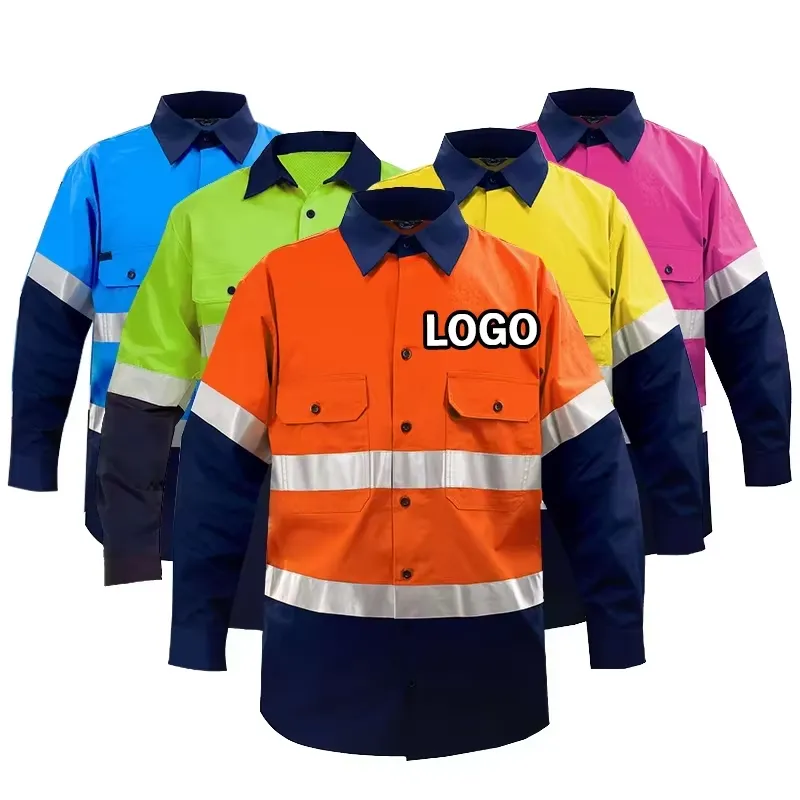
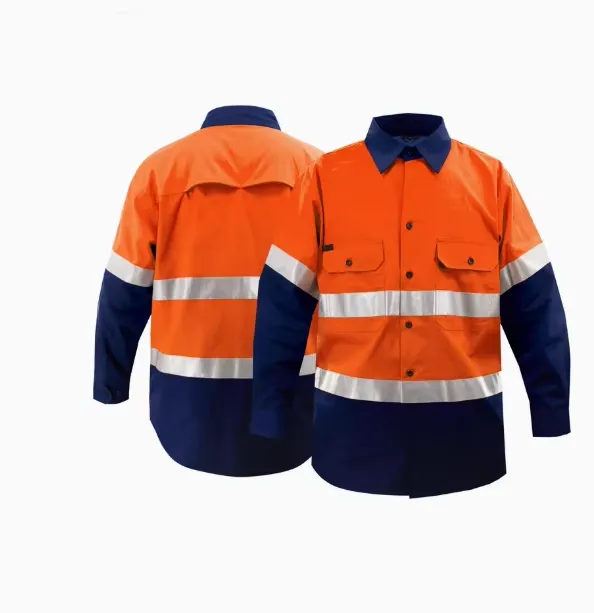
Product safety standards depend on garment type. High-visibility garments must comply with ANSI/ISEA 107 (North America) or EN ISO 20471 (Europe), specifying minimum fluorescent background material area, retroreflective tape placement for 360-degree visibility, and minimum retroreflectivity values (cd/lx/m²) after specified wash cycles. For flame-resistant workwear: NFPA 2112 (flash fire protection), EN ISO 11612 (heat and flame), and EN 45545-2 (railway fire protection). A qualified workwear manufacturer maintains current test reports from ISO 17025-accredited laboratories for each certified garment type, with annual re-testing.
Material certification covers fabric and trim inputs. Oeko-Tex Standard 100 — the most widely recognized textile safety standard — tests for over 100 harmful substances including formaldehyde, heavy metals, phthalates, and azo dyes. For workwear sold in the European Union, REACH compliance is legally mandatory — the manufacturer must document that no Substances of Very High Concern above the 0.1% threshold are present in any garment component. A qualified workwear manufacturer provides material traceability from the fiber level: yarn supplier's composition certificate, fabric mill's test report for weight, shrinkage, and colorfastness, and trim supplier certifications for zippers, buttons, and reflective tape.
Social compliance has become non-negotiable for any workwear manufacturer supplying European or North American brands. The three recognized audit frameworks: BSCI (amfori BSCI Code, 11 performance areas including fair remuneration, decent working hours, and occupational health and safety); SEDEX SMETA (4-pillar audit: labor, health and safety, environment, business ethics); and SA8000 (Social Accountability International, the most rigorous, requiring annual surveillance audits). A qualified manufacturer maintains a current (within 12 months) audit report — BSCI C-grade or better, or SMETA with no critical non-conformances.
Factory capability standards address operational metrics: monthly production capacity (100,000-200,000+ pieces for brand-order handling); sample turnaround time (5-10 working days from design brief to pre-production sample); bulk production lead time (25-45 days from sample approval to shipment-ready); and on-time delivery rate (95% or higher within the contracted window).
Verification
Procurement teams should verify a workwear manufacturer's standards through active inquiry. For each certification, request the certificate number, issuing body, and validity date — then cross-reference on the issuing body's public database. Request production documentation: an incoming fabric inspection log with test results, an in-line QC report from a recent production run, and an anonymized AQL report. Schedule a video call with a factory floor walkthrough — a qualified manufacturer welcomes transparency. For social compliance, request the full audit report, not just the certificate, paying attention to non-conformances and the corrective action plan.
Frequently Asked Questions
What is the minimum certification a workwear manufacturer should hold?
ISO 9001:2015 is the baseline. For hi-vis workwear, current ANSI/ISEA 107 or EN ISO 20471 test reports from an ISO 17025-accredited lab are mandatory. For EU sales, REACH compliance and Oeko-Tex Standard 100 certification are expected. A social compliance audit (BSCI C-grade or SMETA 4-pillar) within 12 months is increasingly required.
How can a buyer verify that a manufacturer's certifications are genuine?
Request the certificate number, issuing body, and validity date — cross-reference on the issuing body's online certificate database. Check that factory name and address match the registered business address. Verify the certificate hasn't expired — expired certifications indicate the manufacturer has not maintained compliance.
What is AQL inspection and why does it matter for workwear quality?
AQL (Acceptable Quality Limit) per ISO 2859-1 defines statistical sampling for final garment inspection. At AQL 2.5, a lot of 1,200 garments requires inspection of 80 randomly selected pieces; 5 or fewer major defects = lot accepted. Without AQL, the buyer accepts the lot without statistical quality verification.
What is the difference between Oeko-Tex and REACH certification?
Oeko-Tex Standard 100 is a voluntary product-level certification testing for over 100 harmful substances. REACH is a mandatory EU regulation requiring documentation that SVHCs are below 0.1% in any component. Oeko-Tex simplifies REACH compliance demonstration but does not replace the legal requirement.
How often should a workwear manufacturer's social compliance be re-audited?
BSCI and SMETA audits are valid for 2 years, with follow-up audits if non-conformances were found. SA8000 requires annual surveillance audits. Brand procurement policies increasingly require audits within 12 months regardless of nominal validity. Audits older than 18 months should trigger re-audit before placing new orders.
What factory size and capacity indicates a reliable workwear manufacturer?
A reliable manufacturer should have: 8-12+ production lines, 100-150+ skilled workers, 2,000-3,000+ m² factory area, and monthly capacity of 100,000-200,000+ pieces. Capacity below these thresholds is typically insufficient for bulk brand orders of 5,000-20,000+ pieces within 30-45 days.