
 EN
EN



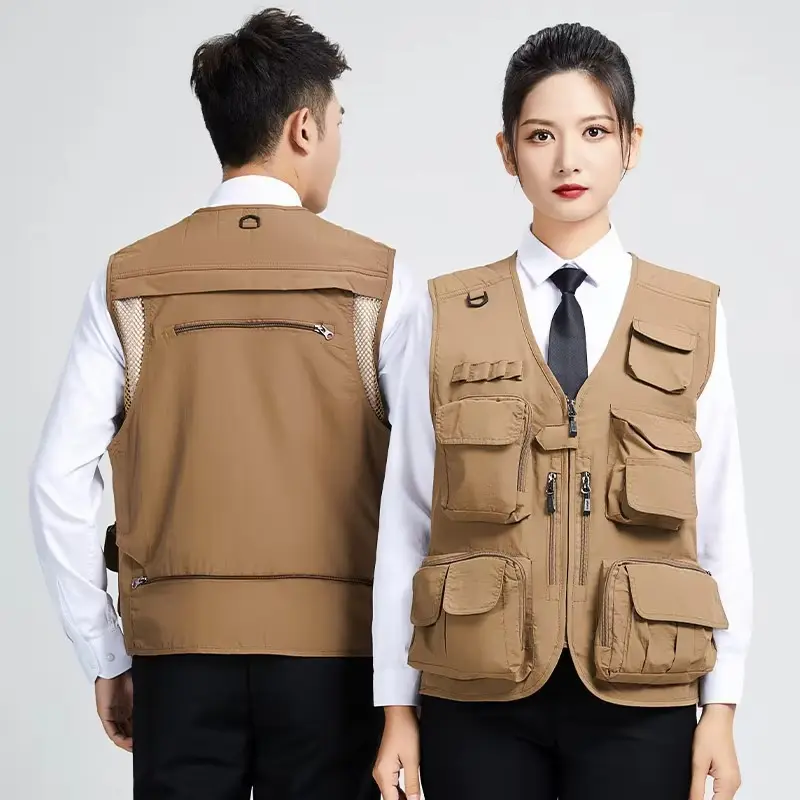
Thermal Regulation: Solving Heat Stress Across Dynamic Logistics Environments
Physiology of Heat Stress in Shift-Based Warehouse and Field Roles
Logistics workers face significant heat stress during long shifts—especially in unconditioned warehouses, hot truck bays, or under direct sun during last-mile delivery. Physical exertion raises core temperature, triggering sweating and increased cardiac output to dissipate heat. When ambient heat and humidity overwhelm natural cooling, dehydration, fatigue, and cognitive decline follow. A 2023 Occupational Health Review study found heat stress reduces productivity by over 15% in distribution centers. Repeated exposure across shifts compounds these effects, accelerating musculoskeletal fatigue and raising injury risk. Effective thermal regulation is not a comfort enhancement—it’s foundational to safety, performance, and retention.
How Lightweight Breathable Work Jackets Enable Real-Time Thermal Adaptation
Lightweight breathable work jackets support the body’s thermoregulation by enabling rapid sweat evaporation and airflow. Open-weave fabrics and strategically placed mesh panels pull heat away from the skin while wicking moisture to keep surfaces dry—reducing chafing and thermal lag. Unlike nonporous outerwear, these jackets adapt dynamically: a worker moving from a refrigerated dock to a 95°F trailer won’t overheat, because excess warmth escapes without requiring layer removal. Zippered vents offer additional airflow during peak exertion. By stabilizing core temperature in real time, these garments delay the onset of heat fatigue—supporting consistent performance, sharper situational awareness, and safer decision-making across extended shifts.
Mobility & Endurance: Why Breathable Work Jackets Support High-Activity Logistics Tasks
Logistics environments demand continuous, dynamic movement—and breathable work jackets directly enhance endurance by eliminating physical and thermal barriers to motion.
Ergonomic Demands of Picking, Packing, Loading, and Last-Mile Delivery
Picking, packing, loading, and last-mile delivery involve high-frequency, multiplanar movements: overhead reaching, deep squatting, rotational lifting, and repeated arm extension. NIOSH reports logistics operators perform more than 1,200 manual lifts per shift—each straining shoulders, lumbar spine, and knees. Bulky or non-breathable outerwear restricts motion, traps heat, and forces compensatory postures that increase cumulative load. In contrast, lightweight breathable jackets allow unrestricted torso rotation and full arm extension, reducing friction and micro-pauses needed to reposition clothing. Workers maintain higher pick rates, experience fewer overexertion incidents, and sustain safer biomechanics—meeting tight delivery windows while protecting long-term musculoskeletal health.
Fabric Engineering: Stretch, Seam Design, and Range-of-Motion Optimization
True mobility stems from intentional fabric engineering—not just breathability. Four-way stretch blends (e.g., polyester-spandex or dual-weave mechanical stretch) mirror natural joint articulation. Flat-lock and offset seams avoid high-friction zones like shoulders and underarms, preventing chafing during repetitive arm swings. Articulated sleeves and underarm gussets enable full 180° overhead reach—critical for pallet loading and high-rack access—without hem ride-up. Meanwhile, high-density yet supple shell fabrics resist abrasion from conveyors, vehicle doors, and cargo without sacrificing drape or flexibility. Together, these features ensure every lift, twist, and stride is supported—not hindered—enabling sustained peak output across an entire shift.
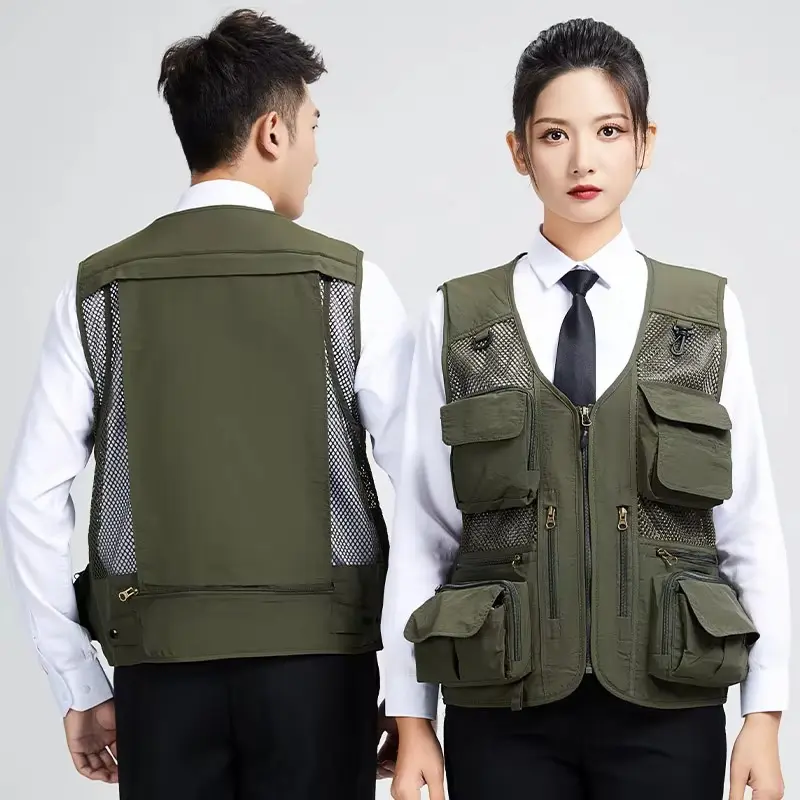
Functional Design: Matching Work Jackets to Warehousing, Dock, and Transportation Needs
Lightweight breathable work jackets must be purpose-built for distinct logistics environments. Warehousing demands durability and accessible storage for scanners and tools; dock roles require abrasion resistance against cargo and equipment; transportation roles need seamless layering for transitions between climate-controlled cabs and outdoor conditions.
Critical Features—Reinforced Pockets, Abrasion Resistance, and Layering Compatibility
Bar-tack reinforced pockets prevent tearing when carrying handheld scanners, radios, or personal gear—keeping essential tools secure during thousands of daily package interactions. Abrasion resistance is mission-critical at docks and in warehouses: high-denier fabric panels at elbows and shoulders significantly extend garment life where repeated contact with rough surfaces would otherwise cause premature failure. Layering compatibility ensures jackets integrate smoothly—worn comfortably over moisture-wicking base layers in summer or under insulated vests in winter—without bulk or restriction. The streamlined, lightweight profile preserves full range of motion for crouching, reaching, and twisting, supporting safe, efficient transitions between indoor and outdoor zones. These integrated features reduce replacement frequency and total cost of ownership—while reinforcing consistent, correct PPE use.
Beyond Compliance: How Modern PPE Standards Prioritize Comfort Without Compromising Safety
Today’s PPE standards reflect a fundamental shift: from viewing comfort as secondary to recognizing it as essential to compliance, performance, and protection. Modern lightweight breathable work jackets meet rigorous safety benchmarks—including ANSI/ISEA high-visibility, ASTM arc flash, and EN abrasion resistance—while integrating advanced moisture management and ergonomic patterning. By reducing thermal burden and eliminating motion restriction, they remove key drivers of noncompliance. When workers wear PPE consistently and correctly—not just during inspections—fatigue-related errors drop, incident rates decline, and safety culture strengthens. This evolution confirms a critical principle: comfort and protection are not trade-offs. They are interdependent pillars of effective, human-centered workplace safety.
FAQ
What is heat stress, and why is it dangerous for logistics workers?
Heat stress occurs when the body cannot cool itself effectively in high-temperature and high-humidity environments. For logistics workers, prolonged exposure leads to dehydration, fatigue, cognitive decline, and increased injury risk.
Why are lightweight breathable work jackets important for logistics environments?
These jackets enable rapid sweat evaporation and airflow, reducing heat fatigue and stabilizing core temperature. They allow workers to perform safely and consistently across various conditions, such as refrigerated docks and hot trailers.
How do breathable jackets improve motion and reduce injury risks?
Breathable work jackets incorporate ergonomic designs, like four-way stretch fabrics and offset seams, that enhance freedom of movement. This design reduces strain on joints, prevents chafing, and supports safer biomechanics during repetitive tasks.
What are the key features logistics workers should look for in work jackets?
Essential features include reinforced pockets, abrasion-resistant panels, layering compatibility, ergonomic mobility, and moisture-wicking capabilities tailored for specific environments, such as warehouses or transportation.
Do modern PPE standards prioritize worker comfort?
Yes, current PPE standards emphasize comfort as an integral part of compliance and safety. Comfortable PPE encourages consistent use and reduces fatigue-related errors, strengthening overall safety culture.
Table of Contents
- Thermal Regulation: Solving Heat Stress Across Dynamic Logistics Environments
- Mobility & Endurance: Why Breathable Work Jackets Support High-Activity Logistics Tasks
- Functional Design: Matching Work Jackets to Warehousing, Dock, and Transportation Needs
- Beyond Compliance: How Modern PPE Standards Prioritize Comfort Without Compromising Safety
-
FAQ
- What is heat stress, and why is it dangerous for logistics workers?
- Why are lightweight breathable work jackets important for logistics environments?
- How do breathable jackets improve motion and reduce injury risks?
- What are the key features logistics workers should look for in work jackets?
- Do modern PPE standards prioritize worker comfort?