
 EN
EN



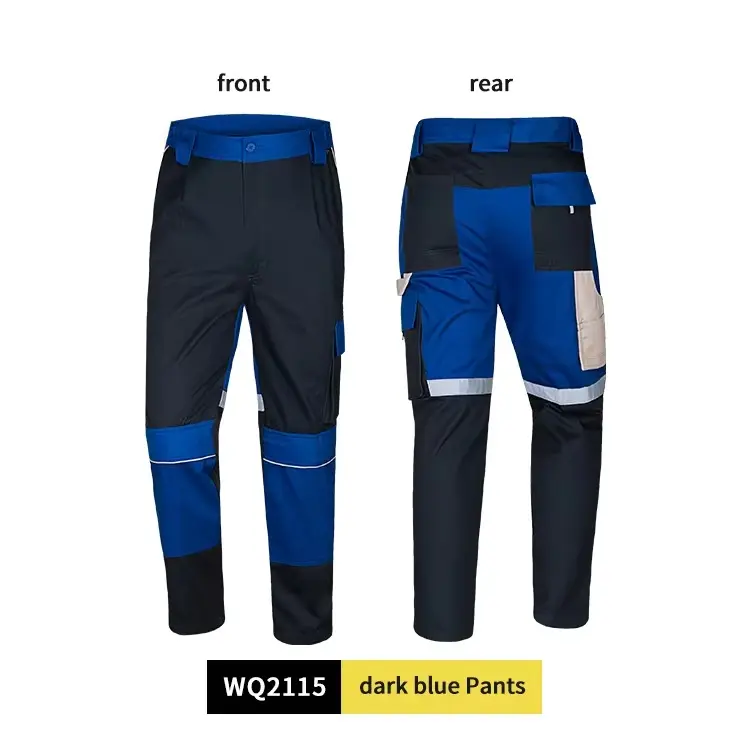
Why Branded Work Uniforms Are Strategic Brand Assets
Work uniforms are far more than functional attire; they serve as strategic brand assets that shape customer perceptions and reinforce corporate identity through consistent visual cues and nonverbal communication.
Color Psychology and Visual Consistency in Work Uniforms
Color choices in work uniforms directly influence how customers perceive a brand, because specific hues evoke psychological associations that can strengthen or weaken brand messaging. Blue conveys trust and dependability, red signals energy and urgency, while green suggests sustainability and calm. When applied consistently across all employee uniforms—from polo shirts to accessories—the brain begins to associate that palette with the company, building a subconscious connection. A classic study from Loyola University, Maryland found that color alone can increase brand recognition by up to 80% (Loyola, 2004). This consistency acts as a multiplier: every employee wearing the same branded shade transforms public spaces—whether a construction site or retail floor—into instant touchpoints for brand reinforcement. It reduces cognitive friction for customers, who quickly identify staff and feel more at ease, while projecting a polished, organized image that signals reliability. A deliberate color strategy is therefore not an aesthetic afterthought—but a foundational element of visual branding that drives long-term recall and differentiation.
Uniforms as Nonverbal Brand Ambassadors: Trust and Recognition Data
Branded work uniforms transform employees into nonverbal brand ambassadors, communicating trust and professionalism before a single word is spoken. A 2022 survey by the American Marketing Association found that 75% of consumers perceive uniformed staff as more professional—a perception that directly elevates trust, especially in service industries where first impressions are critical (AMA, 2022). Unlike fleeting digital ads, uniforms deliver sustained, real-world exposure: every employee interaction becomes a living advertisement that reinforces brand identity at minimal cost per impression. Consistent design also helps customers quickly identify staff, reducing frustration and improving service flow. Further, research shows branded uniforms increase employee accountability and team cohesion by fostering a shared sense of purpose. From a recognition standpoint, repeated exposure across multiple touchpoints builds strong memory structures—making the brand more likely to surface during purchasing decisions. Well-designed uniforms thus serve as a quiet yet potent tool for cultivating trust and embedding brand recognition in everyday consumer experience.
Aligning Work Uniforms with Core Brand Identity
Translating Logo, Voice, and Values into Fabric, Fit, and Finish
Every detail of work uniforms must echo your brand’s core identity—from logo placement and typography to the tactile feel of fabric and precision of fit. Embroidery conveys permanence and polish, ideal for law firms or financial institutions; heat transfers offer flexibility and vibrancy for creative or youth-oriented brands. Color selection should align with psychological intent: deep navy for trust in finance, lively accents for innovation or playfulness in education or tech. Fabric choice communicates values—organic cotton signals sustainability, technical blends project performance and forward-thinking. Fit shapes perception: tailored silhouettes convey authority; relaxed cuts foster approachability. Subtle finishing touches—contrast stitching, custom buttons, or branded zipper pulls—reinforce consistency without compromising function. When uniforms translate logo, voice, and values into every stitch and seam, they become a visual shorthand for your brand promise—turning employees into cohesive, credible ambassadors who build instant recognition and lasting trust.
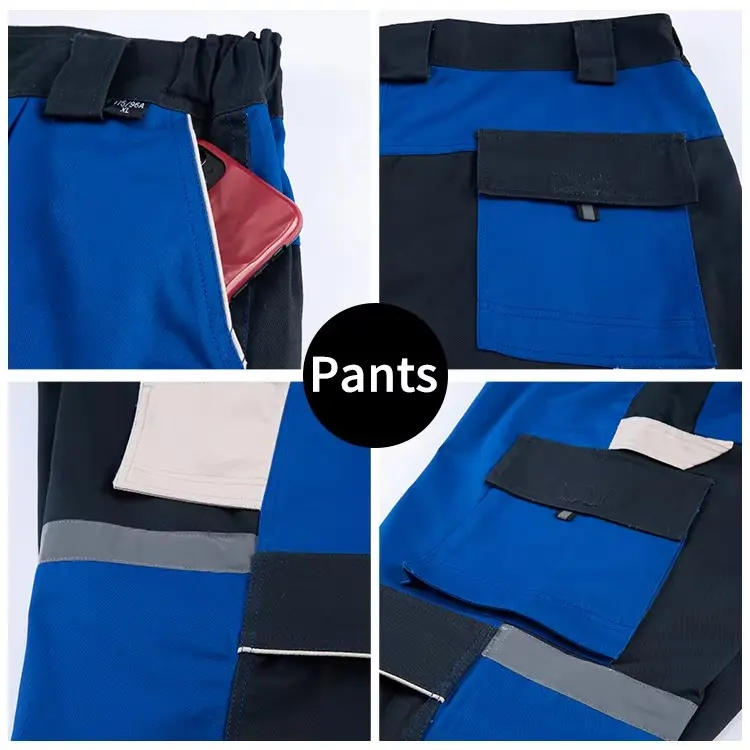
Designing Functional and Inclusive Work Uniforms for Real-World Performance
The effectiveness of branded work uniforms hinges on their ability to perform under real-world conditions. Employees must feel comfortable and unrestricted while embodying the brand’s visual identity. Placing function alongside form ensures uniforms serve as reliable tools—not just apparel.
Ergonomics, Climate Adaptation, and Inclusive Sizing
Ergonomic design directly impacts employee productivity, safety, and retention. Features like articulated knees, gusseted underarms, and strategically placed pockets support full range of motion and reduce physical strain. According to a 2023 J.D. Power survey, 72% of frontline workers rated ergonomic features as a top priority. Climate adaptation is equally essential: moisture-wicking fabrics and breathable mesh panels keep teams cool in summer, while insulated liners provide warmth in winter—minimizing discomfort and absenteeism. Inclusive sizing goes beyond extended ranges. Adaptive closures (e.g., magnetic buttons), sensory-friendly fabrics, and gender-neutral cuts ensure dignity, comfort, and belonging for all team members. A 2022 Forrester study found organizations offering inclusive uniform options saw a 20% rise in employee satisfaction scores. Such attention to human-centered design reinforces the brand’s commitment to well-being—translating into authentic, confident customer interactions.
Durability vs. Aesthetics: Maximizing ROI Without Compromising Impact
Durable work uniforms need not sacrifice visual appeal. Advanced fabric blends now combine high abrasion resistance with vibrant, colorfast dyes and wrinkle resistance. A 2023 analysis by the Textile Services Association revealed uniforms made with performance fabrics lasted 40% longer, cutting annual replacement costs by an average of $120 per employee. Stain-release treatments and moisture management technologies keep garments looking fresh throughout shifts—preserving brand integrity. Faded or frayed uniforms project neglect; reinforced seams in high-wear areas and premium finishes safeguard the brand’s visual consistency. Balancing durability with aesthetics means selecting materials that withstand industrial laundering and feel soft against the skin. Investing in higher-quality construction pays off in total cost of ownership—and in the positive, professional impression left on customers. The result is a cost-effective uniform program that protects and amplifies the brand’s visual identity over time.
Measuring Impact: How Uniform Redesign Drives Tangible Brand Uplift
Case Study: Regional Bank’s Uniform Refresh and NPS/Employee Engagement Shifts
A regional bank with 1,500 employees redesigned its work uniforms, shifting from outdated, ill-fitting styles to modern, branded, inclusive designs aligned with its core values of trust and community. The new uniforms featured ergonomic fabrics, inclusive sizing, and precise integration of the bank’s logo and color palette. Before the redesign, only 60% of employees believed the uniforms reflected the bank’s brand; after the refresh, that figure rose to 89%. Within six months of rollout, the bank’s Net Promoter Score (NPS) increased by 12 points, and internal employee engagement scores rose by 15%. Customer feedback noted staff appeared more professional and approachable—directly reinforcing the institution’s trusted identity. Employees cited improved fit and comfort as key drivers of morale and advocacy. This case demonstrates that a strategic uniform redesign delivers measurable gains—not only in brand perception and customer satisfaction but also in employee pride and retention—proving that thoughtfully executed workwear is a high-impact, high-ROI brand investment.
FAQ
Why are work uniforms considered strategic brand assets?
Work uniforms reinforce brand identity, improve customer trust, and shape perceptions by providing visual consistency and professional nonverbal communication.
How do colors in work uniforms influence customer perceptions?
Colors evoke psychological associations, such as trust (blue), urgency (red), and sustainability (green), and help establish a subconscious connection to the brand through visual consistency.
What role do ergonomics and inclusivity play in work uniform design?
Features like ergonomic design, climate adaptation, and inclusive sizing ensure comfort, safety, and dignity for all employees, enhancing satisfaction and productivity.
How can a uniform redesign impact a company’s brand?
A redesign improves brand perception, increases employee engagement, and enhances customer satisfaction by aligning uniforms with the company’s core values and identity.