
 EN
EN



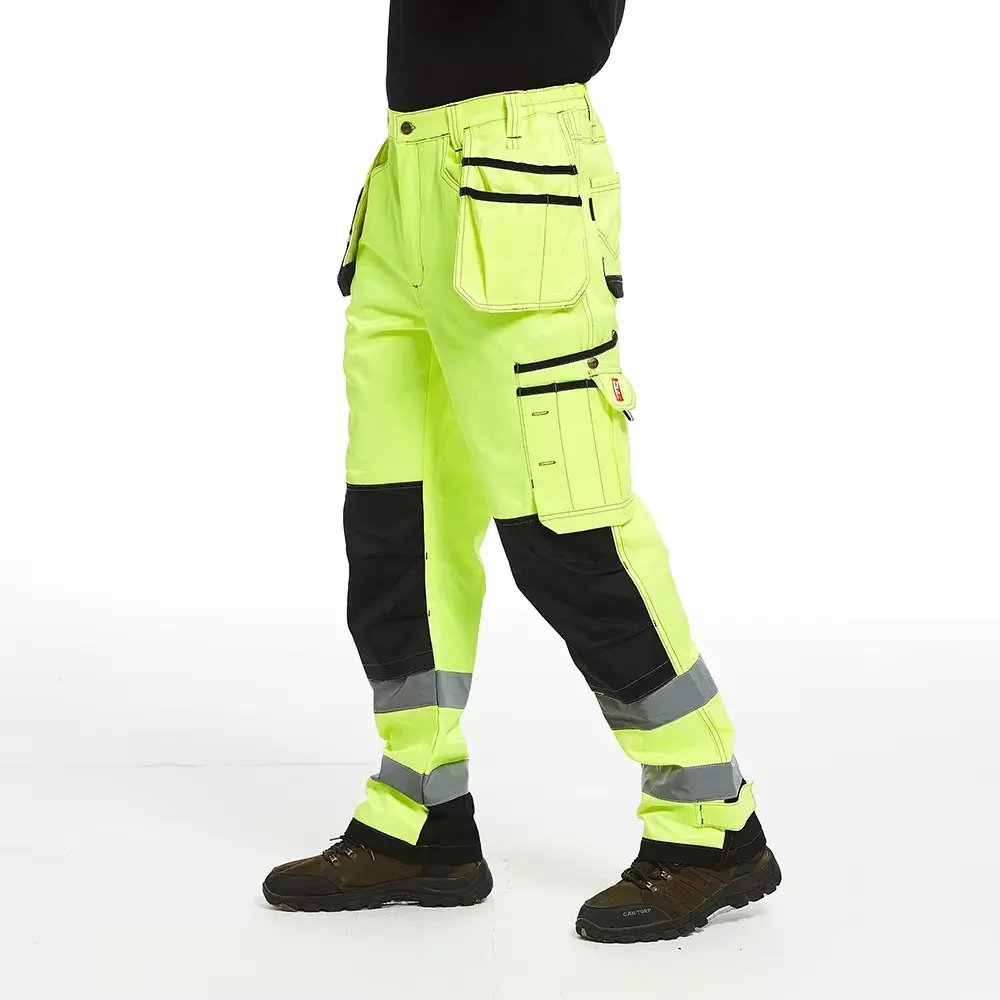
A bulk order of work uniforms tempts buyers to chase the lowest quote, yet the lowest-quoted line often costs the most by year two. Balancing cost and quality means paying for the attributes that survive laundering and use, then removing spend that only looks good on a spreadsheet. The discipline is specifying before quoting, not negotiating after the samples arrive.
Separate Price From Total Cost
Unit Price Hides The Real Math
A low per-piece number ignores replacement rate, returns, and the labor of managing rejects. The work uniforms that fade or fail early force reorders that erase the initial saving. Total cost of ownership counts durability, fit consistency, and lead time against the headline price. Buyers who frame the decision this way protect budget far better than those who optimize a single cell on a quotation sheet. A buyer who only compares the headline number also ignores whether the garment will still look right at the end of its wear life.
Durability Is Where Money Is Kept
Reinforced seams, colorfast dye, and proven blends decide how long a uniform stays presentable. A slightly higher fabric weight or a bartack at stress points extends wear life noticeably. When the same work uniforms stay sharp through dozens of washes, the cost per worn day drops even if the ticket price rose. Durability is the quiet lever that turns a bulk purchase into a sound investment rather than a recurring expense. A fabric that pills after three washes also hurts the brand on the floor, so the apparent saving is double-counted against the image.
Specify Quality Before You Quote
Write The Spec The Maker Can Measure
Quality is concrete only when written as measurable limits: fabric composition, gram weight, stitch density, and color tolerance. A supplier can meet a spec it can test, but cannot guess an expectation left unstated. Including an AQL level and the quality control check points in the brief removes ambiguity and gives both sides one reference. Vague requests produce vague results, while a tight spec produces a predictable, auditable batch. A maker that receives a precise spec can quote honestly, because the unknown is removed from both sides of the negotiation.
Use A Sample To Lock The Standard
A pre-production sample turns the written spec into a physical target. Measure it, launder it, and wear it before committing volume, because a render cannot reveal how a seam behaves after ten washes. The approved sample becomes the benchmark every later batch is judged against. This step costs little yet prevents the expensive discovery that the bulk run of work uniforms drifted from what procurement believed it had ordered.
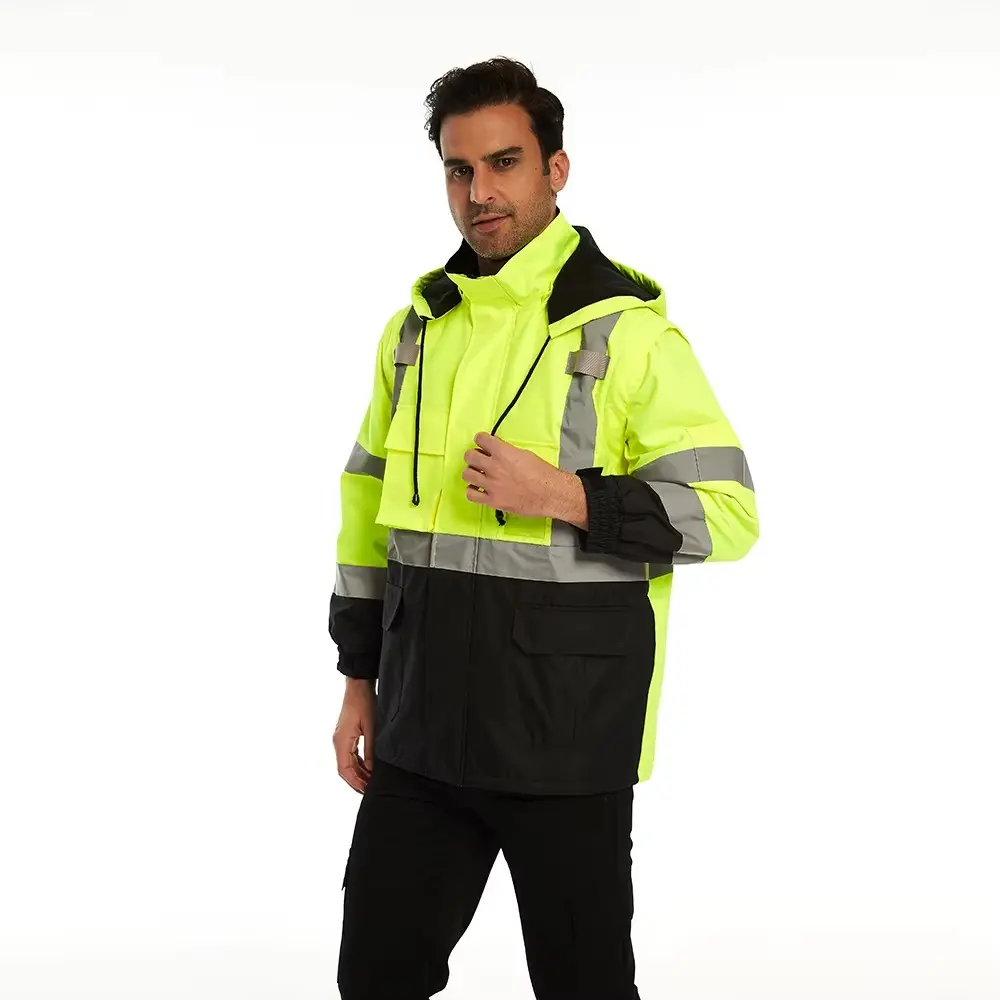
Audit The Supplier, Not Just The Price
A low quote from an unproven source carries hidden risk: missed deadlines, substituted cloth, or silent specification changes. A basic supplier audit—certificates, references, and a factory visit or video call—confirms capacity and intent. Buyers who verify the partner before the contract avoid the worst outcomes, where the saving vanishes inside a failed shipment. Trust, here, is earned through evidence, not promised in a sales deck. Even a strong price looks different once the risk of a failed lot is priced in, which is why evidence beats a cheerful PDF.
Verify At Scale
Apply AQL Inspection On The Bulk Order
Acceptance Quality Limit (AQL) sampling checks a defined fraction of the run against the agreed defects. It catches fading, misaligned marks, or weak stitches before the whole lot ships. Setting the AQL level with the supplier up front keeps expectations aligned and disputes rare. For work uniforms bought by the thousand, this measured check protects consistency far better than eyeballing a few pieces and hoping the rest match. The check also gives receiving a fast accept or reject call, which keeps the floor supplied without a full inspection line.
Track Lead Time And Reorder Reality
A cheap price loses value if the next reorder of work uniforms arrives late or shifts shade. Recording actual lead time, shade batch, and defect rate builds a performance picture that informs the next contract. Procurement can then favor partners who hold the line on quality and schedule. Treating the first bulk order as the start of a measured relationship, not a one-off deal, keeps total cost honest across seasons and volume growth. A partner that reports shade and defect data after each run turns purchasing into a managed process instead of a recurring gamble.
Keep Documents That Prove Compliance
Standards such as ISO 9001 for quality management, and material benchmarks like OEKO-TEX Standard 100, give auditors and buyers a common language. Holding the certificates and the test reports simplifies import checks and internal sign-off. When a garment claim for work uniforms can be backed by a document, the quality story stops being a slogan. Documentation is the final piece that makes a bulk program defensible to finance and to the workforce wearing it.
Summary
Buying work uniforms in bulk balances cost and quality by specifying first, sampling early, and verifying at scale. Separate unit price from total cost, write a measurable spec, and apply AQL checks on the run. Audit the partner and keep compliance documents. Specifying first also shortens the timeline, because the maker builds to a known target rather than reworking a vague order. Done this way, the bulk order delivers value that survives the laundry, the schedule, and the audit.
Frequently Asked Questions
Question
Why do work uniforms cost more than the quote suggests?
Answer
A low per-piece quote ignores replacement rate, returns, and the labor of managing rejects, so the real expense appears later. Garments that fade or fail early force reorders that erase the initial saving. Total cost of ownership counts durability, fit consistency, and lead time against the headline price. Buyers who weigh the full lifecycle protect budget better than those optimizing a single line on a quotation.
Question
Which spec points matter most for quality?
Answer
Focus on fabric composition, gram weight, stitch density, and color tolerance, because these decide how long a uniform stays presentable. Add the AQL level and the specific check points so the maker can test against one clear reference. A tight, measurable spec prevents vague outcomes and gives procurement a document to hold every batch against through the life of the program.
Question
How does a sample protect a bulk order?
Answer
A pre-production sample turns the written spec into a physical target that can be measured, laundered, and worn before volume commits. It reveals how a seam or color behaves after repeated washing, which a render cannot show. The approved sample becomes the benchmark for every later batch, catching drift early and preventing the costly discovery that the bulk run differed from what was ordered.
Question
What is AQL inspection for uniforms?
Answer
Acceptance Quality Limit sampling checks a defined fraction of the production run against agreed defect classes, such as fading, misaligned marks, or weak stitches. Setting the AQL level with the supplier up front aligns expectations and reduces disputes. For large uniform runs, this measured check protects consistency far better than inspecting a few pieces and assuming the remainder matches the approved standard.
Question
Should buyers audit the uniform supplier?
Answer
A basic audit—certificates, references, and a factory visit or video call—confirms capacity and intent before a contract binds the buyer. It guards against missed deadlines, substituted fabric, or silent spec changes that erase a low quote's value. Verifying the partner up front turns a price promise into evidence, which is far safer than discovering problems after a failed shipment arrives.
Question
Which documents prove uniform quality?
Answer
Hold certificates such as ISO 9001 for quality management and OEKO-TEX Standard 100 for material safety, plus the test reports from each batch. These give auditors and buyers a common, verifiable language and simplify import and internal sign-off. When a quality claim is backed by a document, the program becomes defensible to finance, customs, and the workforce wearing the garments daily.