
 EN
EN



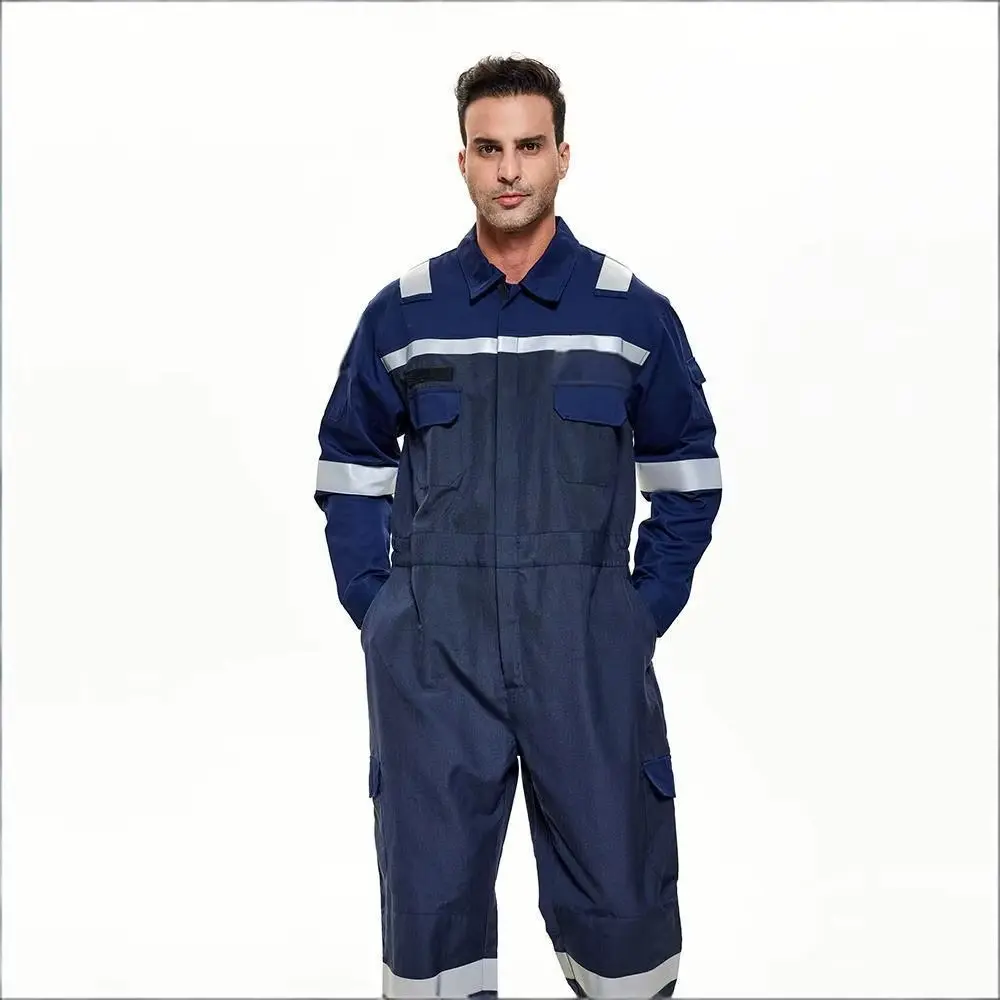
A capable uniform supplier treats packaging as part of the product, not an afterthought bolted on at shipping. Custom packaging—branded polybags, printed cartons, and tagged sets—carries the identity from the factory floor to the wearer's hands. The short answer is yes, most professional makers support it, but the value depends on specifying it early and correctly within the production timeline.
What Custom Packaging Usually Includes
Branded Polybags And Cartons
The most common request is a branded polybag printed with the client's logo and care text, then a carton printed or labeled for the destination. This keeps individual pieces clean and recognizable through long ocean or air transit. A uniform supplier that runs its own packing line can switch bag art and carton print per order without a separate vendor, which shortens the chain and reduces the chance of a mismatched shipment reaching the warehouse. Different climates call for different bag films, so a supplier that asks about transit length protects the print and the cloth inside.
Custom Tags And Inserts
Hang tags, size stickers, and folded inserts extend the brand onto the garment itself. A QR code or care label can route the wearer to sizing or reorder pages, turning packaging into a quiet service channel. For private label programs, the uniform supplier signals a finished, owned product rather than a generic import. Specifying tag material and placement up front avoids a late redesign that delays the whole bulk run. A folded care card also reduces returns, because the wearer knows how to wash the item before the first mistake.
Why Packaging Matters For Branding
The Unboxing Is The First Touch
The moment a wearer opens the carton, the brand begins—or stalls. A plain, crushed box suggests a commodity; a clean, labeled pack suggests a managed program. For companies building a uniform identity, that first physical impression matters as much as the stitching. Custom packaging aligns the delivery experience with the corporate image the garments were designed to project, reinforcing the message at the point of handover. The same moment also sets the tone for how seriously the wearer treats the garment for the rest of its life.
Protection Reduces Hidden Cost
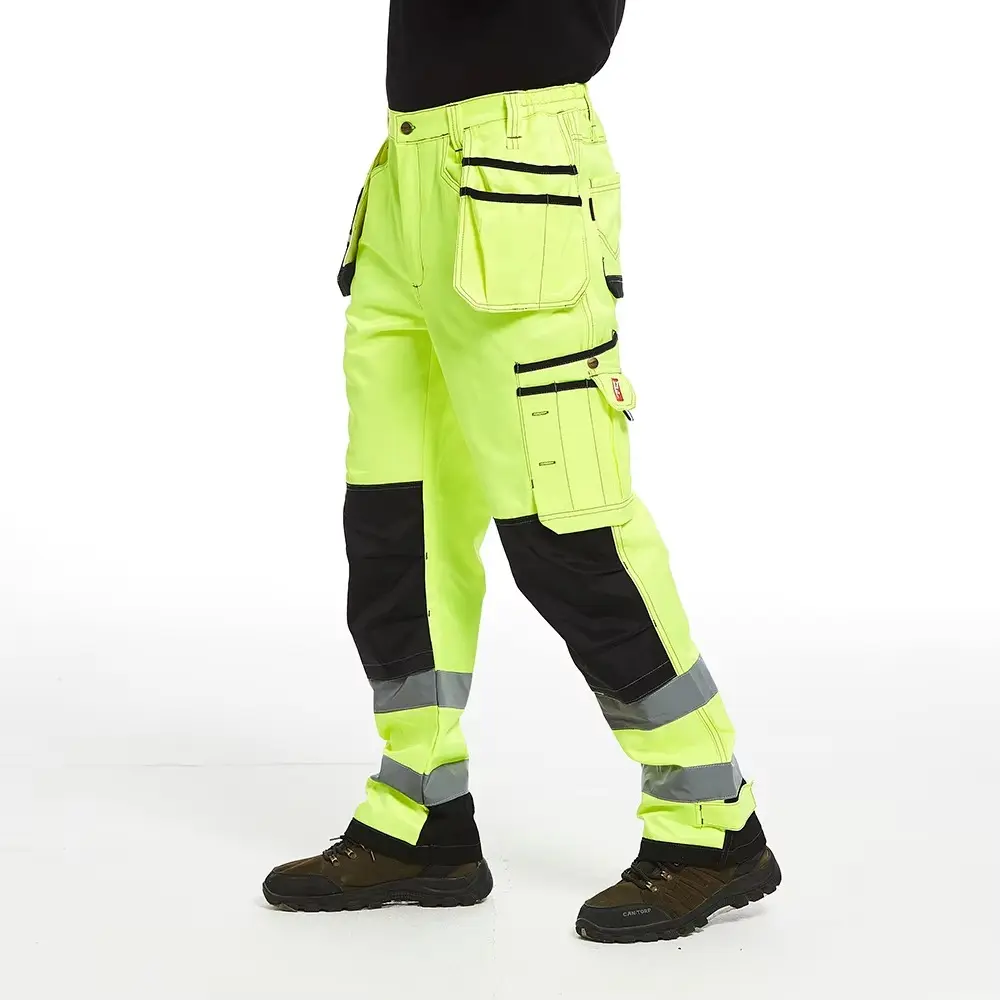
Good packaging is also risk control. Reinforced cartons, moisture barriers, and correct stacking limits cut transit damage that would otherwise become replacements and claims. A uniform supplier that advises on carton strength and pallet pattern protects both the product and the budget. The saving sits in fewer rejected cartons at receiving, not in a thinner box that saves pennies and loses garments to a damp hold. A carton that arrives square also stacks and counts faster, which quietly lowers handling cost at the dock.
Logistics Runs Smoother With Clear Marks
Barcoded cartons and clear destination labels let a warehouse receive, count, and distribute without opening every box. This speeds onboarding when a new site launches a program. When the supply chain reads the carton, a uniform supplier removes a step of guesswork at every receiving dock. Custom marks are therefore an operational improvement, not merely a marketing flourish, for teams managing uniforms across multiple locations and shifts.
How To Specify It Correctly
State Requirements In The Brief
Packaging fails when it is mentioned late. The brief should name the bag type, print method, carton size, label data, and any inserts, alongside the garment spec. A professional uniform supplier prices and plans packing as a line item, so nothing is assumed. Including a physical or PDF reference for the artwork prevents translation drift and gives the packing team one unambiguous target to produce and inspect against consistently. Clear artwork also reduces the proofing rounds, so the order moves from approval to production without avoidable delay.
Align Packaging With MOQ And Lead Time
Custom prints carry minimums—a bag plate or carton print often needs a volume threshold to be economical. Discuss MOQ and lead time before design lock so the packaging does not become the critical path. A maker with OEM or ODM experience can suggest standard sizes that meet the look without a costly bespoke carton. Planning the pack with the garment keeps the whole order on one schedule instead of two conflicting ones. Early talk about volume also lets the maker reserve plate time, which protects the delivery date during peak season. A planned pack also trims the number of approvals needed before production starts.
Verify With A Prototype Carton
Request a prototype carton and bag in the sampling stage, not after bulk completion. Check print alignment, barcode scannability, and protection during a drop or stack test. A uniform supplier that supplies the prototype proves the packing line can deliver the spec repeatedly. Signing off on the packed sample closes the loop, so the bulk shipment arrives looking and scanning exactly as the brand intended from the first carton. A packed sample also trains the receiving team on what good looks like before volume arrives.
Summary
A professional uniform supplier does support custom packaging, from branded polybags and cartons to tags and inserts. The payoff is brand continuity, transit protection, and smoother logistics, but only when packaging is specified early, aligned to MOQ, and verified with a prototype. Treat packing as a designed component, and the delivery reinforces the program instead of undermining it. The exercise also surfaces the real cost of the pack, so branding and protection are planned together rather than argued over later.
Frequently Asked Questions
Question
What does custom uniform packaging include?
Answer
Typical options are branded polybags printed with logo and care text, cartons printed or labeled for the destination, and custom tags or inserts. Barcoded labels and QR care tags can route wearers to sizing or reorder pages. A uniform supplier with its own packing line can switch bag and carton art per order without a separate vendor, shortening the chain and reducing the risk of a mismatched shipment at receiving.
Question
Why does packaging affect brand perception?
Answer
The carton is the first physical touch a wearer has with the program, so a clean labeled pack signals a managed brand while a plain crushed box suggests a commodity. For identity-building programs, that moment reinforces the corporate image the garments were designed to project. Custom packaging aligns the delivery experience with the stitching and marks, strengthening the message at the point of handover.
Question
How does packaging protect uniforms in transit?
Answer
Reinforced cartons, moisture barriers, and correct stacking limits cut the damage that becomes replacements and claims during long ocean or air freight. A supplier that advises on carton strength and pallet pattern protects both product and budget. The saving appears as fewer rejected cartons at receiving rather than a thinner box that saves pennies yet loses garments to a damp or crushed hold.
Question
Does custom packaging raise the order cost?
Answer
It adds a line item for print plates, bag art, and carton labeling, but volume usually absorbs the unit impact. Discussing MOQ and lead time before design lock keeps the pack from becoming the critical path or a costly bespoke carton. A maker with OEM or ODM experience can suggest standard sizes that achieve the look economically, so the branding gain costs far less than the protection and logistics value returned.
Question
When should packaging be specified?
Answer
Packaging should enter the brief alongside the garment spec, naming bag type, print method, carton size, label data, and inserts. Mentioning it late forces a redesign that delays the whole bulk run. Including a physical or PDF artwork reference prevents translation drift and gives the packing team one unambiguous target to produce and inspect against consistently from the first order.
Question
Can a supplier provide a packaging prototype?
Answer
A professional maker supplies a prototype carton and bag during sampling, not after bulk completion. Check print alignment, barcode scannability, and protection through a drop or stack test before sign-off. Approving the packed sample proves the packing line can deliver the spec repeatedly, so the shipment arrives looking and scanning exactly as the brand intended from the first carton onward.